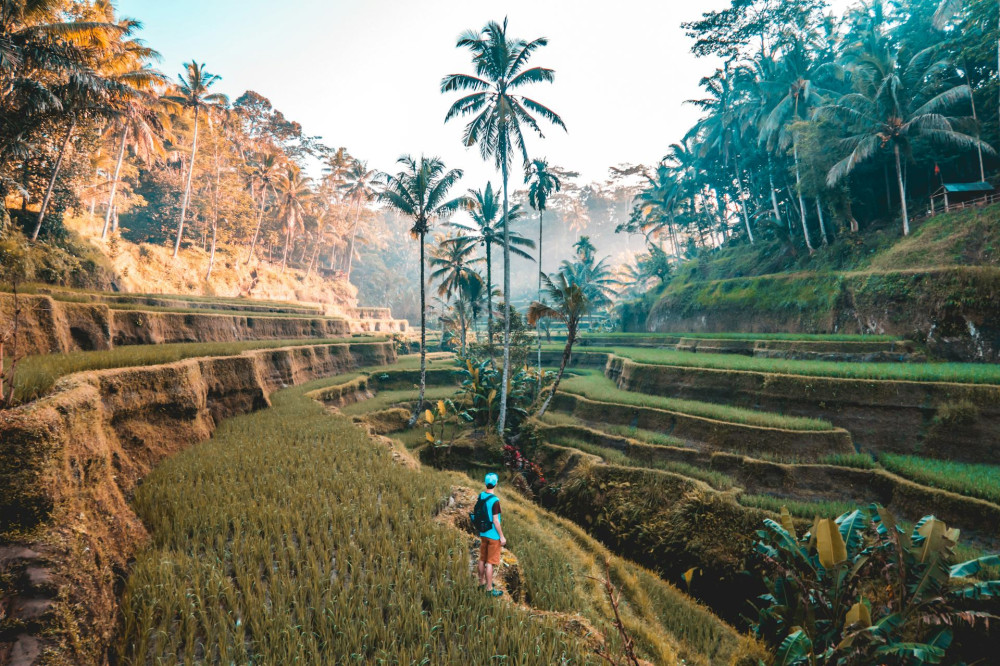
Planning or Spontaneity? How to Find the Balance on Your Adventure

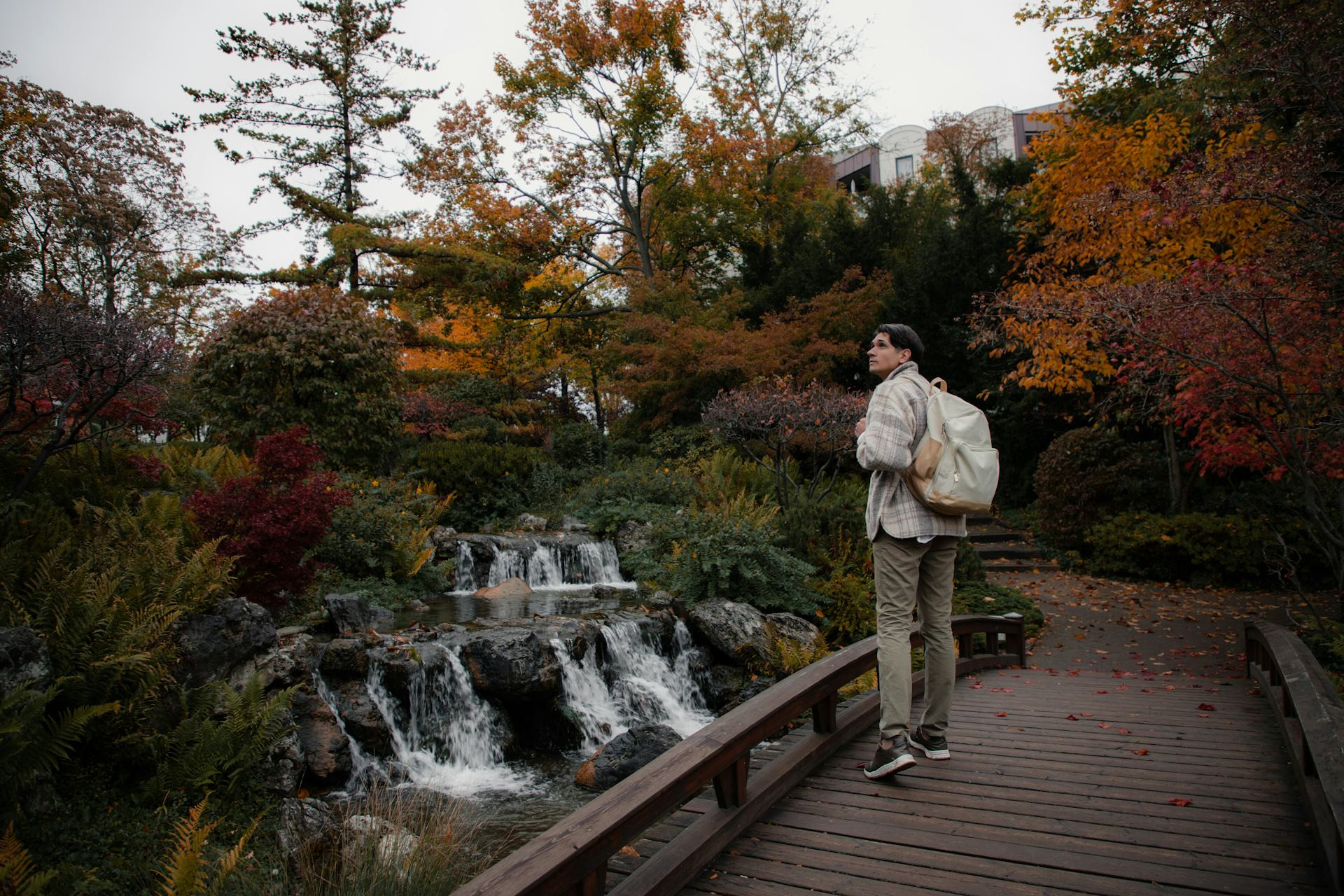
Planning or Spontaneity? How to Find the Balance on Your Adventure
Whether you’re heading off for a weekend in the Lake District or backpacking across Southeast Asia, every traveller faces the same question: should you plan everything in advance or simply see where the road takes you? Both approaches have their charm, but the most rewarding journeys often lie somewhere in between. Here’s how to strike the right balance between structure and freedom on your next adventure.
Why Planning Brings Peace of Mind
A bit of planning can make your trip far more enjoyable. When you’ve sorted the essentials – transport, accommodation, and the must‑see experiences – you can relax and focus on the fun rather than the logistics.
- Book the basics early. Flights, train tickets, and your first few nights’ stay are worth securing ahead of time. It gives you a smooth start and avoids last‑minute stress.
- Sketch a flexible route. You don’t need to plan every hour, but having a rough idea of direction and travel times helps you make spontaneous choices later.
- Do some light research. Check local customs, public holidays, and seasonal conditions. A little preparation can save you from disappointment.
Planning isn’t about controlling every detail – it’s about creating a framework that allows you to enjoy the unexpected.
The Magic of Spontaneity
While planning provides comfort, it’s often the unplanned moments that become the highlights of a trip. A chat with a local in a pub, a detour to a hidden beach, or stumbling upon a village fête – these are the memories that stick.
Being spontaneous means letting go of rigid expectations. You don’t have to abandon all structure, but leave space for surprises. A good tip is to keep a few days unplanned. That way, you can follow your curiosity, the weather, or a recommendation from someone you meet along the way.
Finding Your Personal Balance
Everyone travels differently. Some people love detailed itineraries; others thrive on freedom. The key is to find what works for you – and for the purpose of your trip.
- Looking to unwind? Then plan the practicalities so you can truly relax without worrying about logistics.
- Craving adventure? Keep your schedule loose and embrace the unknown – that’s where the stories come from.
- Travelling with others? Talk about expectations. One person’s idea of fun might be another’s stress. Agreeing on a balance avoids frustration later.
Using Technology Wisely
Digital tools can help you blend planning and spontaneity. Apps for maps, accommodation, and transport make it easy to adjust plans on the go. But be careful not to spend more time staring at your phone than at your surroundings. Use technology as a guide, not a crutch.
Try researching offline too: ask locals for tips, visit tourist information centres, or simply follow your instincts. You’ll often discover more authentic experiences than those topping online lists.
When Things Don’t Go to Plan
Even the best‑laid plans can be derailed by delays, weather changes, or unexpected closures. Instead of seeing these as setbacks, treat them as part of the adventure. Often, the detours lead to the most memorable experiences. Flexibility and a sense of humour are your best travel companions.
Læs også:


Travel as a Lesson in Balance
Finding the balance between planning and spontaneity is really about understanding yourself. How much structure do you need to feel comfortable – and how much freedom do you need to feel alive?
Once you discover your rhythm, travel becomes more than just a holiday. It turns into a journey of discovery – not only of new places, but of yourself.
Læs også: