Modern trains, smooth journeys: Comfort and a quiet ride

Modern trains, smooth journeys: Comfort and a quiet ride
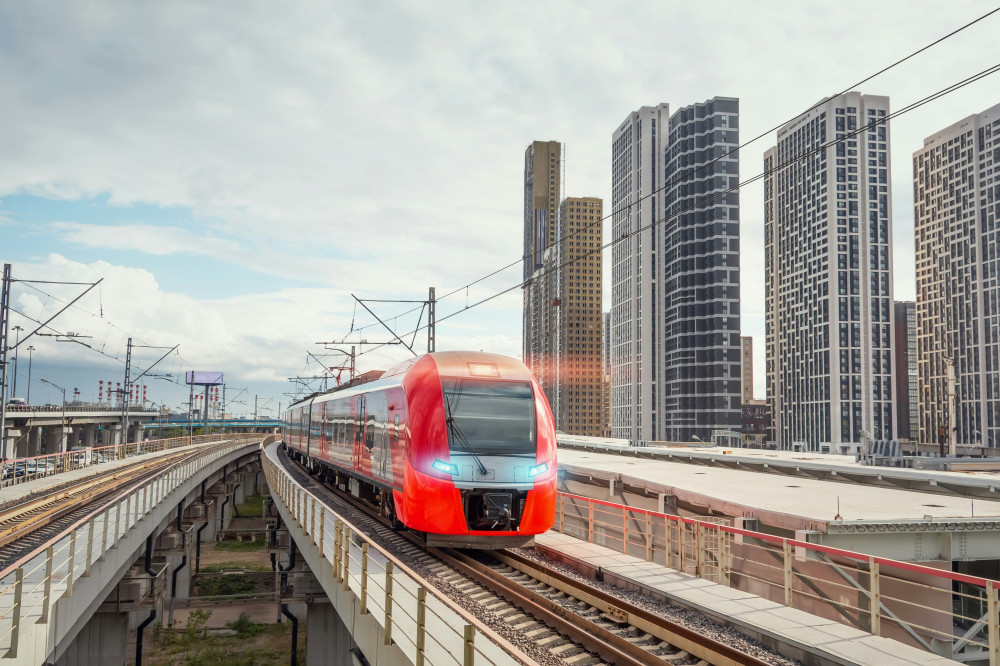
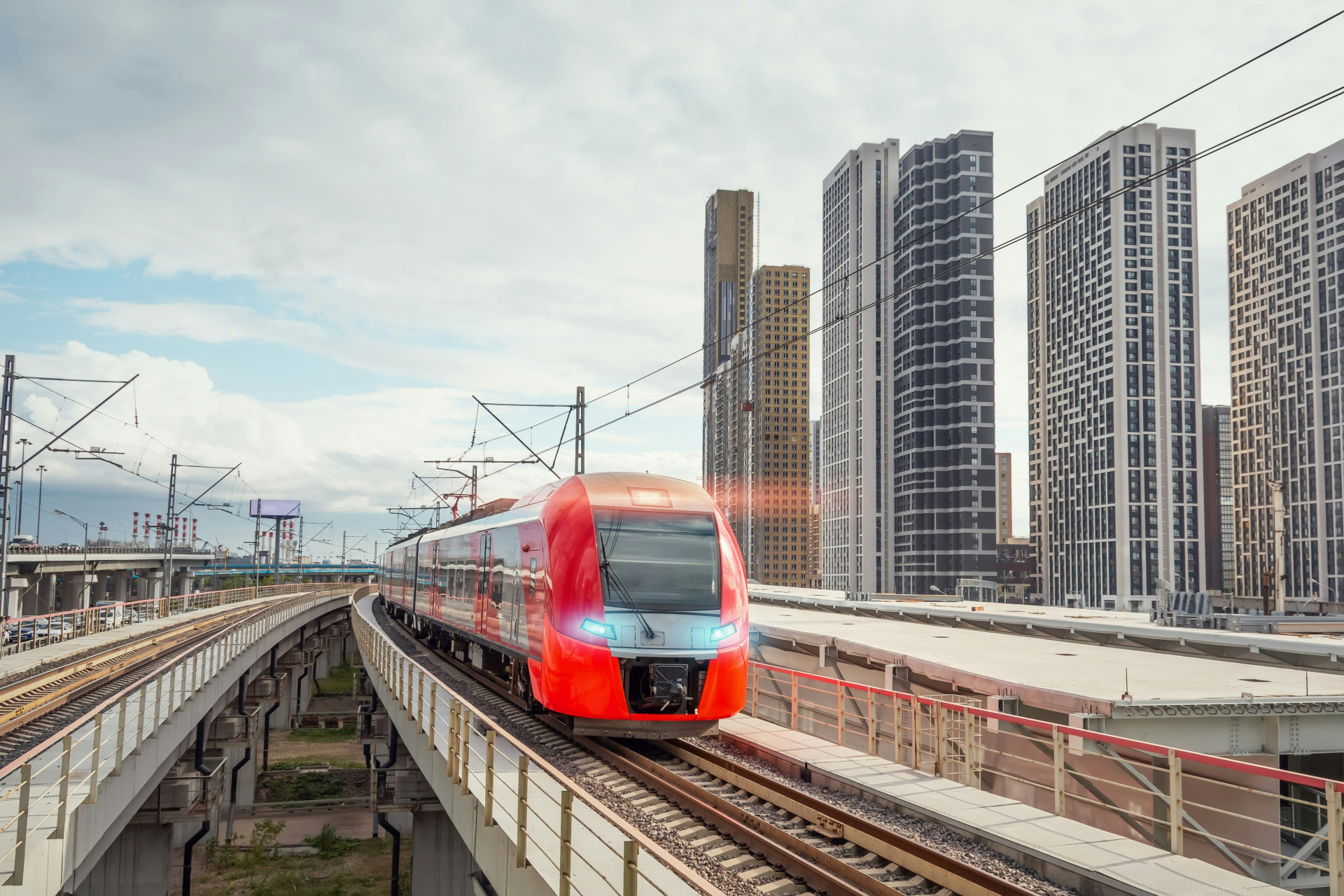
Travelling by train today is a very different experience from what it was just a few decades ago. Modern trains have become a symbol of calm, comfort, and sustainability – a mode of transport that combines efficiency with a relaxing journey. From ergonomic seating and soundproofed carriages to smooth acceleration and digital onboard services, everything is designed to make the trip as pleasant as possible. But what exactly makes today’s trains so quiet and comfortable?
Quiet technology – peace in motion
One of the most noticeable improvements in modern rail travel is the reduction of noise. Gone are the days of clattering wheels and rattling windows. New train models feature advanced suspension systems, aerodynamic designs, and sound-absorbing materials that minimise vibration and external noise.
Electric traction plays a key role here. Replacing older diesel engines, electric motors provide near-silent propulsion while also reducing emissions. This not only benefits passengers but also the communities through which the trains pass, making rail travel both quieter and cleaner.
Læs også:


Comfort at the heart – designed for relaxation
Comfort is about more than just soft seats. It’s about the entire experience. Modern trains are designed with attention to lighting, temperature control, and space. Many operators now offer quiet carriages for those who wish to work or read undisturbed, as well as family areas where children can play without disturbing other passengers.
Seats are ergonomically shaped, often with adjustable backrests, footrests, and access to power sockets and USB ports. On some of the newest trains, passengers can even enjoy wireless charging and personal reading lights, creating a small, private space for relaxation or productivity.
Smooth travel – the engineering behind the ride
Behind the smooth motion of modern trains lies sophisticated engineering. Active suspension systems automatically adjust to track conditions and speed, reducing jolts and ensuring a stable ride even at high velocity.
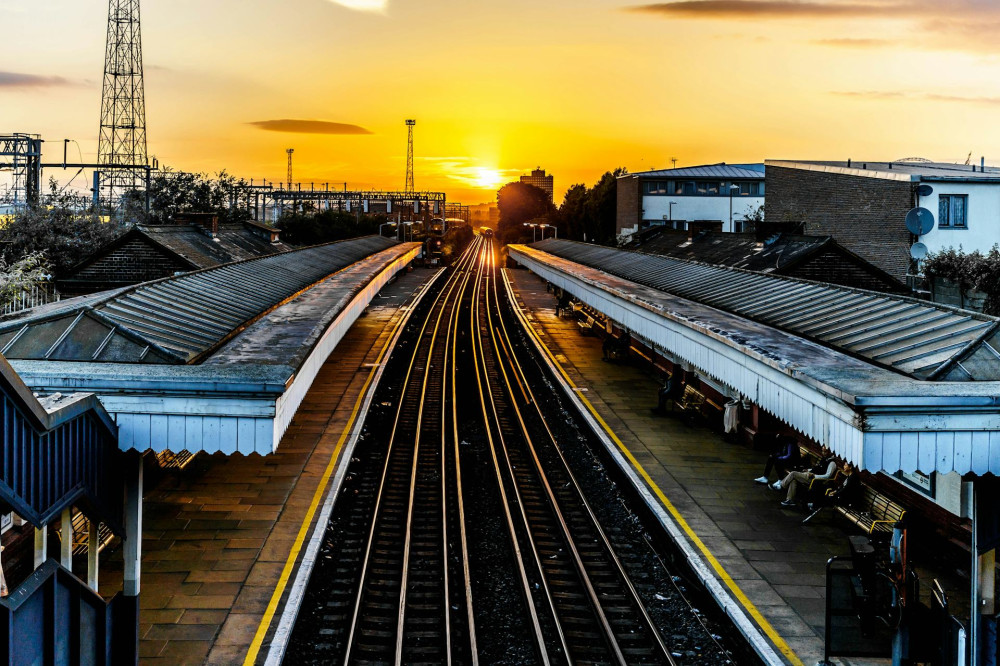
Across the UK, track upgrades have also contributed to this improvement. Continuous welded rails and improved ballast reduce vibration and noise, giving passengers the sensation of gliding effortlessly through the countryside.
Digital convenience and flexibility
Rail travel has become increasingly digital. Tickets can be purchased, stored, and changed via mobile apps, and real-time updates keep passengers informed about connections, delays, and arrival times. Onboard Wi-Fi is now standard on most intercity services, allowing travellers to work, stream, or stay connected throughout their journey.
Some operators are even exploring personalised travel options – such as seat selection based on noise levels, window views, or proximity to onboard facilities – to make each journey more tailored to individual preferences.
A sustainable and comfortable future
Trains are not only comfortable but also among the most environmentally friendly ways to travel. Electrification, energy-efficient motors, and recyclable materials make rail an ideal choice for the climate-conscious traveller. Manufacturers are continuing to innovate, developing lighter materials and intelligent systems that further reduce energy use and noise.
The journey as part of the experience
In an age when many forms of transport focus solely on speed, the train offers something different: the chance to enjoy the journey itself. The view from the window, the gentle rhythm of movement, and the quiet hum of modern technology turn travel time into a moment of calm. It’s more than just getting from A to B – it’s a pause in the day, a smooth and peaceful experience in motion.
Læs også: